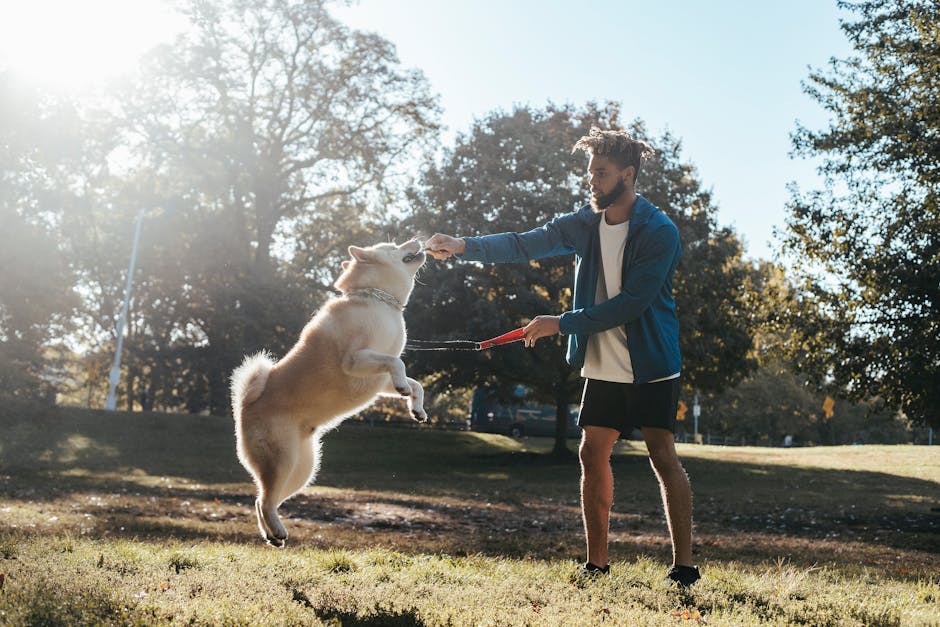
Dog training can sometimes feel like an uphill battle, but it doesn't have to be. Whether you're bringing home a brand new puppy or trying to teach an old dog new tricks, understanding the basics of dog training can make the whole process much more enjoyable and rewarding for both you and your furry friend. Consistency, patience, and positive reinforcement are key.
One of the first things to understand is that dogs learn through association. They connect actions with consequences, both good and bad. This is why positive reinforcement methods, like rewarding good behavior with treats or praise, are so effective. When your dog sits on command, immediately reward them. This creates a positive association with the command and makes them more likely to repeat the behavior.
Punishment, on the other hand, can be confusing and even harmful. It doesn't teach your dog what you *want* them to do, only what you *don't* want them to do. It can also lead to fear and anxiety, which can make training even more difficult. Instead of punishing unwanted behavior, focus on rewarding the behaviors you want to see.
Consistency is also crucial for successful dog training. Everyone in the household should be on the same page and using the same commands. If one person allows the dog on the furniture while another doesn't, the dog will become confused and the training process will be much slower. Establish clear rules and stick to them.
Start with basic commands like sit, stay, and come. These commands are essential for everyday life and provide a foundation for more advanced training. Keep training sessions short and frequent, especially with puppies. Dogs have short attention spans, so short, focused sessions are more effective than long, drawn-out ones.
Socialization is another important aspect of dog training. Expose your dog to different people, places, and situations from a young age. This helps them develop into well-adjusted, confident adults. Take them for walks in different environments, introduce them to new people and friendly dogs, and let them experience a variety of sights and sounds.
Remember, every dog is an individual and learns at their own pace. Be patient and don't get discouraged if your dog doesn't pick things up immediately. Celebrate small victories and focus on building a positive relationship with your dog based on trust and understanding.
Dog training is an ongoing process, not a destination. Even after your dog has mastered basic commands, continue to practice and reinforce good behavior. This will help solidify their training and ensure a happy, well-behaved companion for years to come.