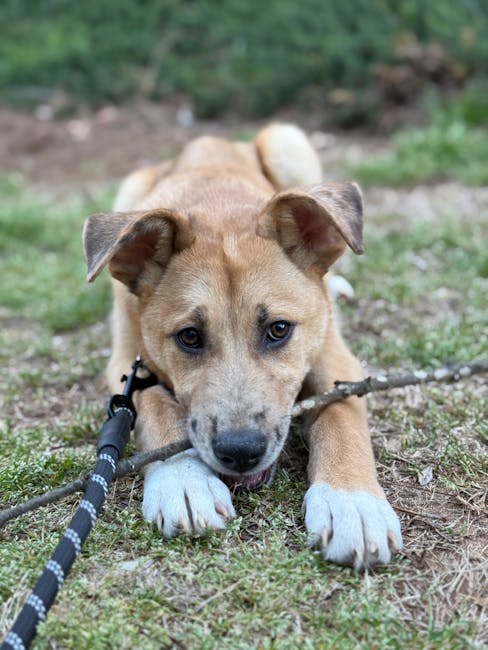
How to Train a Rescue Dog: Overcoming Behavioral Challenges
Bringing a rescue dog into your home is a heartwarming and rewarding experience. However, it’s not uncommon to encounter some behavioral challenges along the way. With patience, love, and the right training techniques, you can help your new furry friend adapt and thrive in their new environment. In this guide, we’ll explore effective strategies to overcome these challenges and create a harmonious home for both you and your rescue dog.
Table of Contents
1. Understanding Rescue Dogs
2. Establishing Trust and Bonding
3. Essential Training Techniques
4. Overcoming Specific Behavioral Challenges
5. Maintaining Consistency and Patience
6. Conclusion
7. FAQs
Understanding Rescue Dogs
Rescue dogs often come from backgrounds that include abandonment, abuse, or neglect. These experiences can leave a lasting impact, making it crucial to approach training with empathy and understanding. Recognizing the signs of trauma, such as fear or anxiety, is the first step in helping your rescue dog adjust.
Establishing Trust and Bonding 🤝
Building trust with your rescue dog is foundational. Spend quality time together, engage in gentle play, and be consistent with your presence and actions. Offering treats and positive reinforcement can also go a long way in creating a bond. Remember, trust is a two-way street, so be patient and allow your dog to get comfortable at their own pace.
Essential Training Techniques 🐕🦺
Training a rescue dog requires a blend of patience, consistency, and understanding. Here are some effective training techniques:
Positive Reinforcement
Use treats, praise, and affection to reward good behavior. This encourages your dog to repeat actions that earn them rewards.
Clicker Training
Clicker training is a popular method that uses a sound to mark desired behaviors. It helps your dog connect the dots between the click and a reward, making learning fun and effective.
Basic Commands
Start with basic commands such as sit, stay, and come. These form the foundation for more advanced training and help establish your role as a leader.
Overcoming Specific Behavioral Challenges 🐾
Separation Anxiety
Rescue dogs may develop separation anxiety due to past experiences. Gradually acclimate them to being alone by starting with short departures and progressively increasing the duration. Providing comforting toys or clothing with your scent can also help.
Fear of Strangers
Introduce your dog to new people slowly and in a controlled environment. Encourage positive interactions with treats and praise, allowing your dog to approach strangers at their own pace.
House Training Issues
Consistency is key in house training. Establish a routine for bathroom breaks, reward successful trips outside, and be patient with accidents. Remember, past trauma can affect their learning speed.
Maintaining Consistency and Patience 🕰️
Training takes time, especially with rescue dogs who may have had difficult pasts. Maintaining a consistent routine helps your dog understand expectations and feel secure. Celebrate small victories and stay patient through setbacks. Your perseverance will pay off.
Conclusion
Training a rescue dog comes with unique challenges, but the rewards are immeasurable. By understanding their background, establishing trust, using effective training techniques, and overcoming specific behavioral issues, you can help your rescue dog adapt and thrive. Remember, the journey is as rewarding as the destination, and the love of a rescue dog is truly special.
FAQs
Q: How long does it take to train a rescue dog?
A: Training duration varies based on the dog’s past experiences and personality. Some dogs may adapt quickly, while others require more time. Patience and consistency are key.
Q: What should I do if my rescue dog shows aggression?
A: Aggression can stem from fear or insecurity. Consult a professional dog trainer or behaviorist to address this issue safely and effectively.
Q: Can older rescue dogs be trained?
A: Absolutely! While it may take more time, older dogs are capable of learning and adapting to new environments with the right approach and patience.
Training a rescue dog is a journey filled with challenges, but with love and understanding, you can transform their life—and yours—forever. 🐾❤️