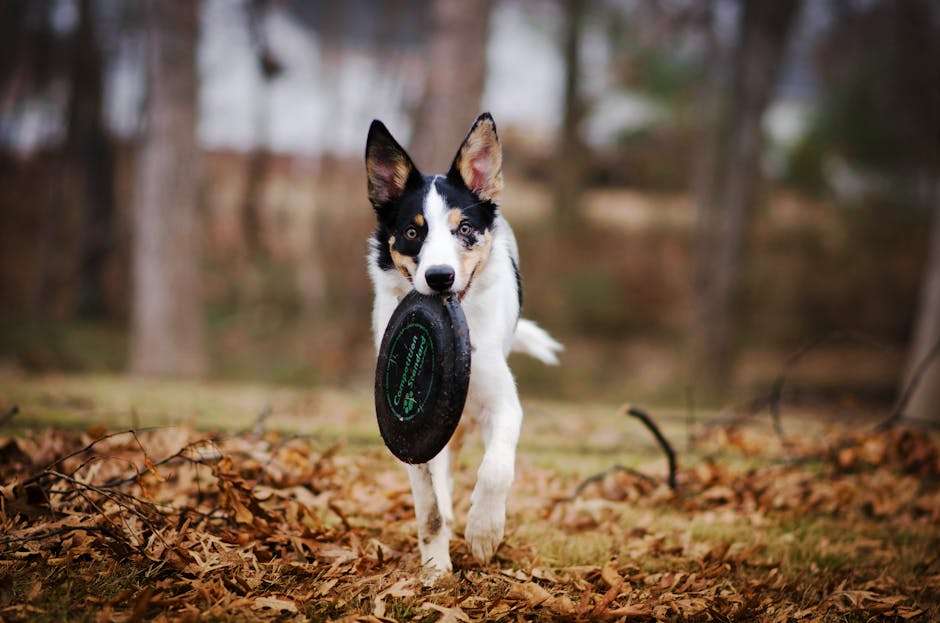
The Ultimate Guide to Obedience Training for Your Dog 🐾
Training your dog can be one of the most rewarding experiences for both you and your furry friend. Whether you’ve just welcomed a new puppy into your home or you’re looking to instill some discipline in an older dog, obedience training is key to a happy and harmonious household. In this comprehensive guide, we’ll explore everything you need to know about training your dog to follow commands and behave appropriately.
Table of Contents
1. Introduction to Obedience Training
2. Why Obedience Training is Important 🐶
3. Getting Started: Essential Commands
4. Positive Reinforcement Techniques 🎉
5. Common Training Challenges and Solutions
6. Advanced Training Tips for Enthusiastic Pet Parents
7. Conclusion: The Journey of Training
8. FAQ Section
1. Introduction to Obedience Training
Before diving headfirst into training sessions, it’s important to understand what obedience training entails. Essentially, it’s a way to teach your dog to behave in specific ways in response to your commands. This process not only helps in managing your pet’s behavior but also strengthens the bond between you and your dog.
2. Why Obedience Training is Important 🐶
Obedience training is crucial for several reasons:
Safety: A well-trained dog is less likely to run into dangerous situations, as they will respond promptly to commands like “stop” or “come.”
Socialization: Training helps your dog feel more comfortable around people and other animals, reducing anxiety and aggression.
Communication: It establishes a common language between you and your dog, making it easier to communicate your expectations.
3. Getting Started: Essential Commands
When beginning obedience training, start with basic commands that form the foundation for more advanced training. These include:
Sit: A simple command that’s useful in many situations. It’s the starting point for many other commands.
Stay: Helps keep your dog in place, which is particularly useful in busy or potentially dangerous environments.
Come: Ensures your dog returns to you, crucial for safety.
Leave it: Teaches your dog to ignore distractions, which can prevent them from picking up harmful objects.
4. Positive Reinforcement Techniques 🎉
Positive reinforcement is the most effective method for training dogs. This involves rewarding your dog with treats, praise, or playtime when they successfully follow a command. Here are some tips:
Consistency is Key: Always use the same command words and reward system to avoid confusion.
Timing Matters: Reward your dog immediately after they obey a command to help them make the connection.
Gradual Fading: Over time, reduce the frequency of treats and replace them with verbal praise or affection to maintain the behavior.
5. Common Training Challenges and Solutions
Even with the best intentions, you may encounter some challenges during the training process:
Distraction: Dogs can easily become distracted. Gradually increase the level of distractions during training sessions.
Lack of Progress: If your dog isn’t responding, reassess your approach. Are you being consistent? Is the training environment suitable?
Resistance: Some dogs may resist certain commands. Be patient, and don’t hesitate to seek professional help if needed.
6. Advanced Training Tips for Enthusiastic Pet Parents
Once your dog has mastered the basics, you can move on to more advanced training:
Agility Training: Great for high-energy dogs, agility training involves guiding your dog through obstacle courses.
Command Combinations: Combine commands, like “sit” and “stay,” to create more complex instructions.
Off-Leash Training: For a truly obedient dog, practice commands without the leash in a safe, enclosed area.
7. Conclusion: The Journey of Training
Obedience training is a journey that requires patience, consistency, and love. The rewards are well worth the effort, as you and your dog will enjoy a more fulfilling relationship built on trust and respect. Remember, every dog learns at their own pace, so celebrate small victories and remain committed to the process.
8. FAQ Section
Q1: How long does it typically take to train a dog?
Training times vary depending on the dog’s age, breed, and personality. Consistent daily sessions usually show results within a few weeks.
Q2: Can older dogs learn new tricks?
Absolutely! While puppies may pick up commands faster, older dogs are perfectly capable of learning with patience and the right approach.
Q3: What if my dog doesn’t respond to treats?
Some dogs may be more motivated by toys or affection. Experiment with different rewards to see what works best for your dog.
Q4: Should I enroll my dog in professional training classes?
If you’re struggling or want expert guidance, professional classes can be an excellent investment. They provide structured learning and socialization opportunities.
Q5: How can I prevent my dog from becoming bored during training?
Keep sessions short and engaging. Mix different commands and incorporate playtime to maintain your dog’s interest and enthusiasm.
Embark on this exciting journey with your dog, and watch as they transform into a well-mannered companion. Happy training! 🐕