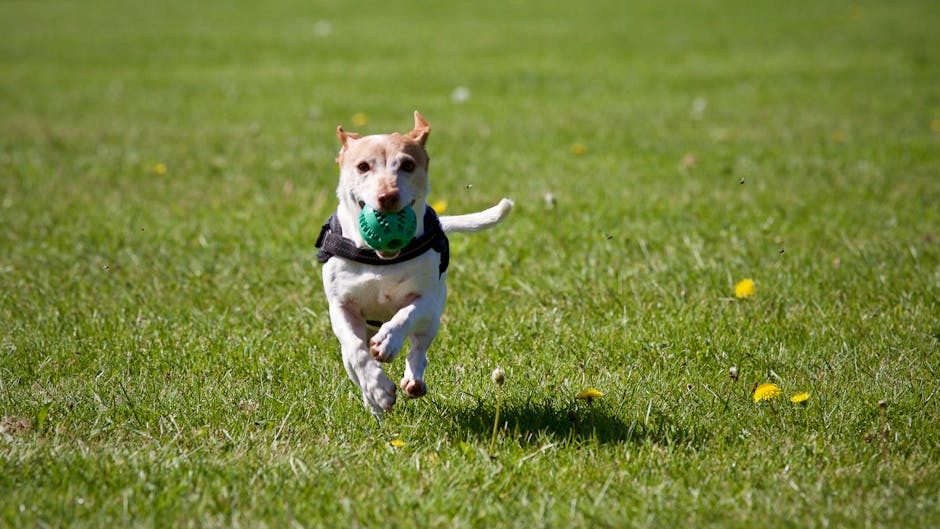
Dog training is a rewarding journey for both you and your canine companion. It builds a strong bond, establishes clear communication, and ultimately creates a harmonious living environment. Whether you have a brand new puppy or an older dog, consistent training is key to a happy and well-behaved pet. This guide will provide you with valuable insights and practical tips to help you succeed in your dog training endeavors.
One of the fundamental principles of dog training is positive reinforcement. This method focuses on rewarding desired behaviors with treats, praise, or toys, while ignoring or redirecting unwanted actions. Positive reinforcement motivates your dog to repeat good behaviors and creates a positive association with training. Avoid punishment-based methods, as they can damage your relationship with your dog and lead to fear or aggression.
Consistency is paramount in dog training. Establish clear rules and boundaries from the beginning and enforce them consistently. Dogs thrive on routine and predictability, so ensure everyone in the household is on the same page regarding training methods and commands. This consistency will help your dog understand what is expected of them and accelerate the learning process.
Start with basic obedience commands like sit, stay, come, and down. These commands form the foundation for more advanced training and are essential for everyday life. Keep training sessions short and engaging, especially in the beginning, to maintain your dog's focus and prevent them from becoming overwhelmed.
Socialization is a critical aspect of dog training, particularly for puppies. Expose your dog to a variety of people, places, and other dogs in a controlled and positive manner. This helps them develop appropriate social skills and reduces the likelihood of fear-based aggression or anxiety later in life.
Crate training can be a valuable tool for housebreaking and providing your dog with a safe and secure space. Introduce the crate gradually and make it a positive experience by associating it with treats and toys. Never use the crate as a form of punishment.
Consider enrolling in a puppy or obedience class. These classes provide professional guidance, offer opportunities for socialization, and can help address specific behavioral challenges. A qualified dog trainer can offer personalized advice and support tailored to your dog's individual needs.
Remember, dog training is an ongoing process. Even after mastering basic commands, continue to reinforce good behavior and introduce new challenges. Be patient, understanding, and celebrate your dog's successes along the way. The bond you build through training will enrich both your lives for years to come.